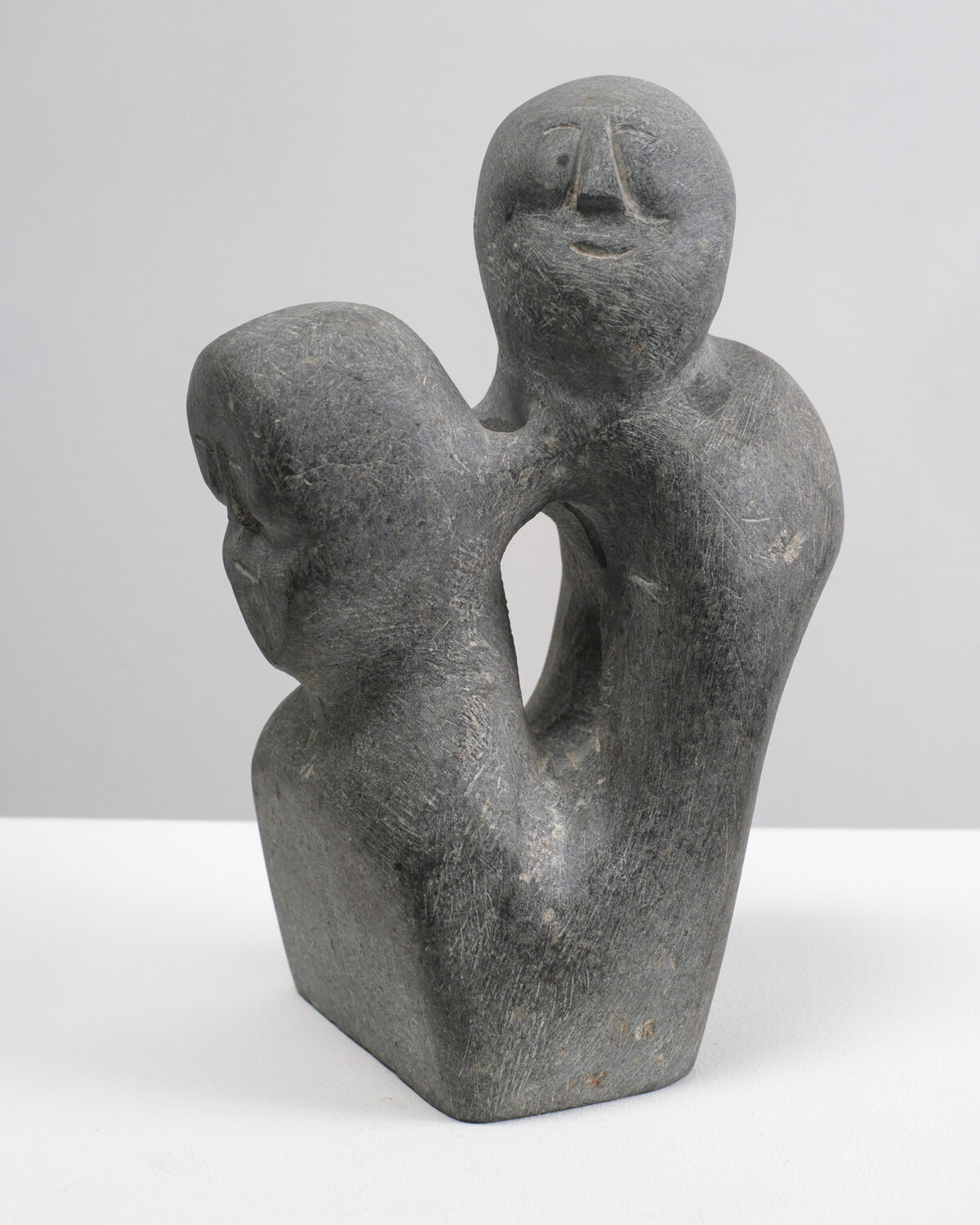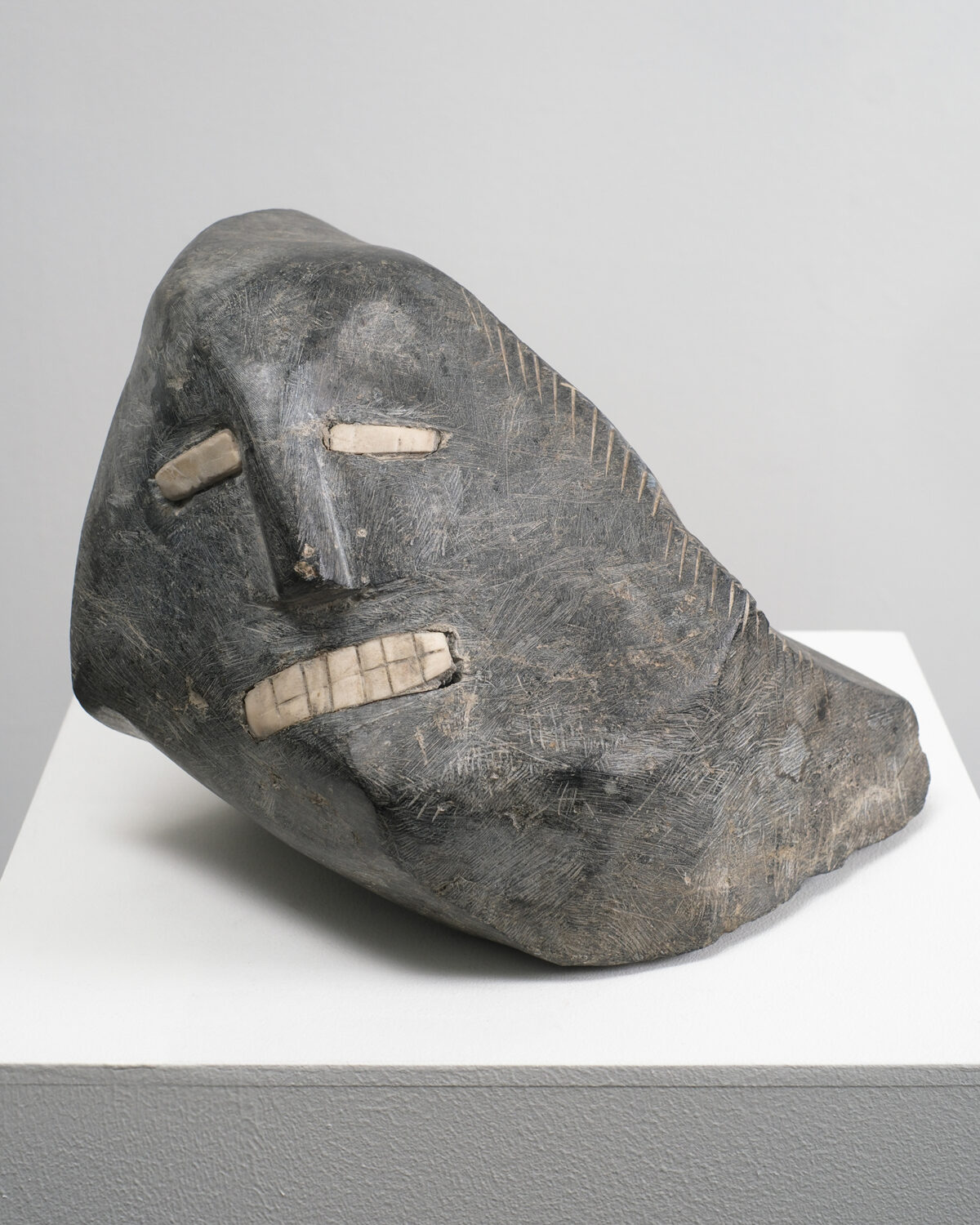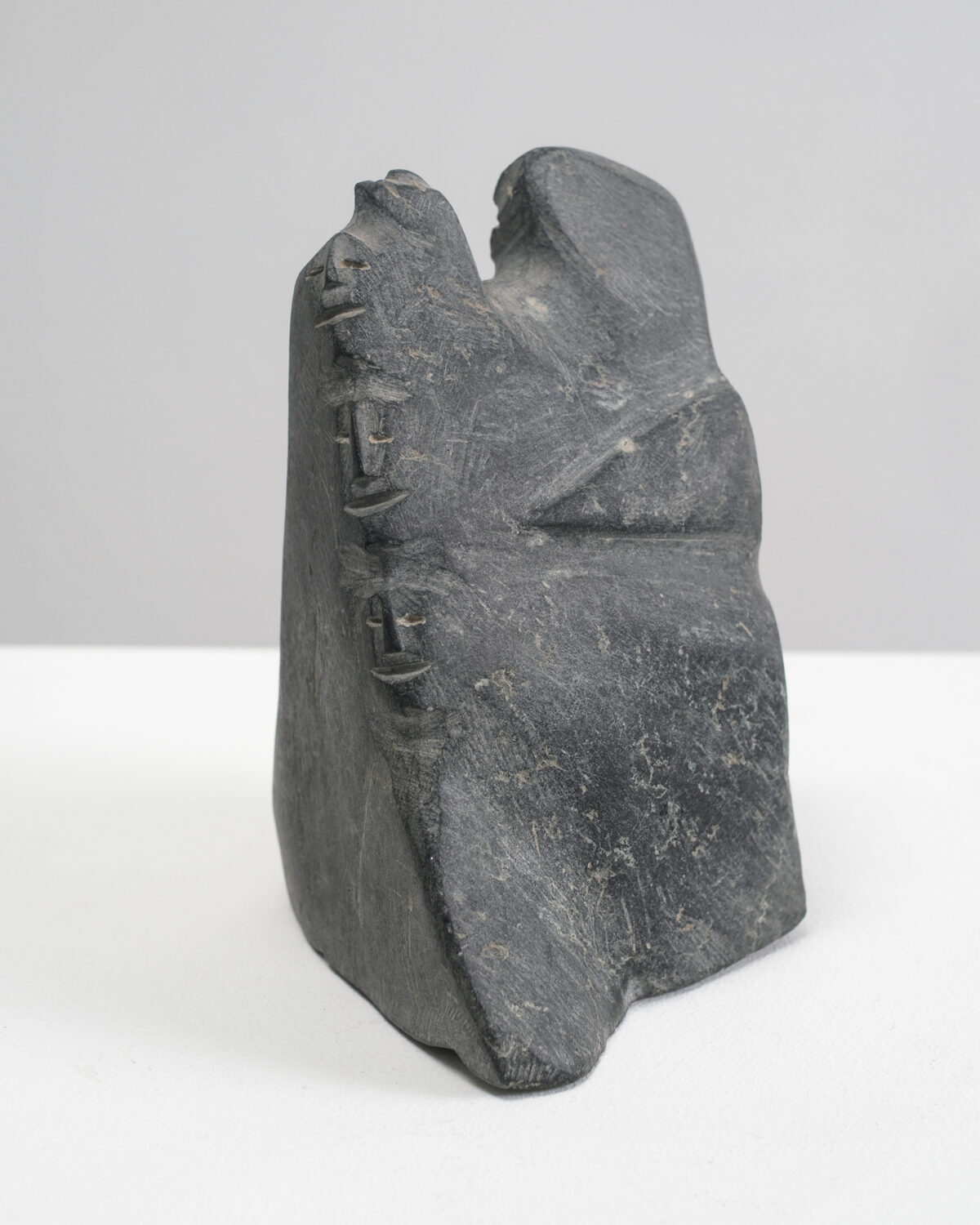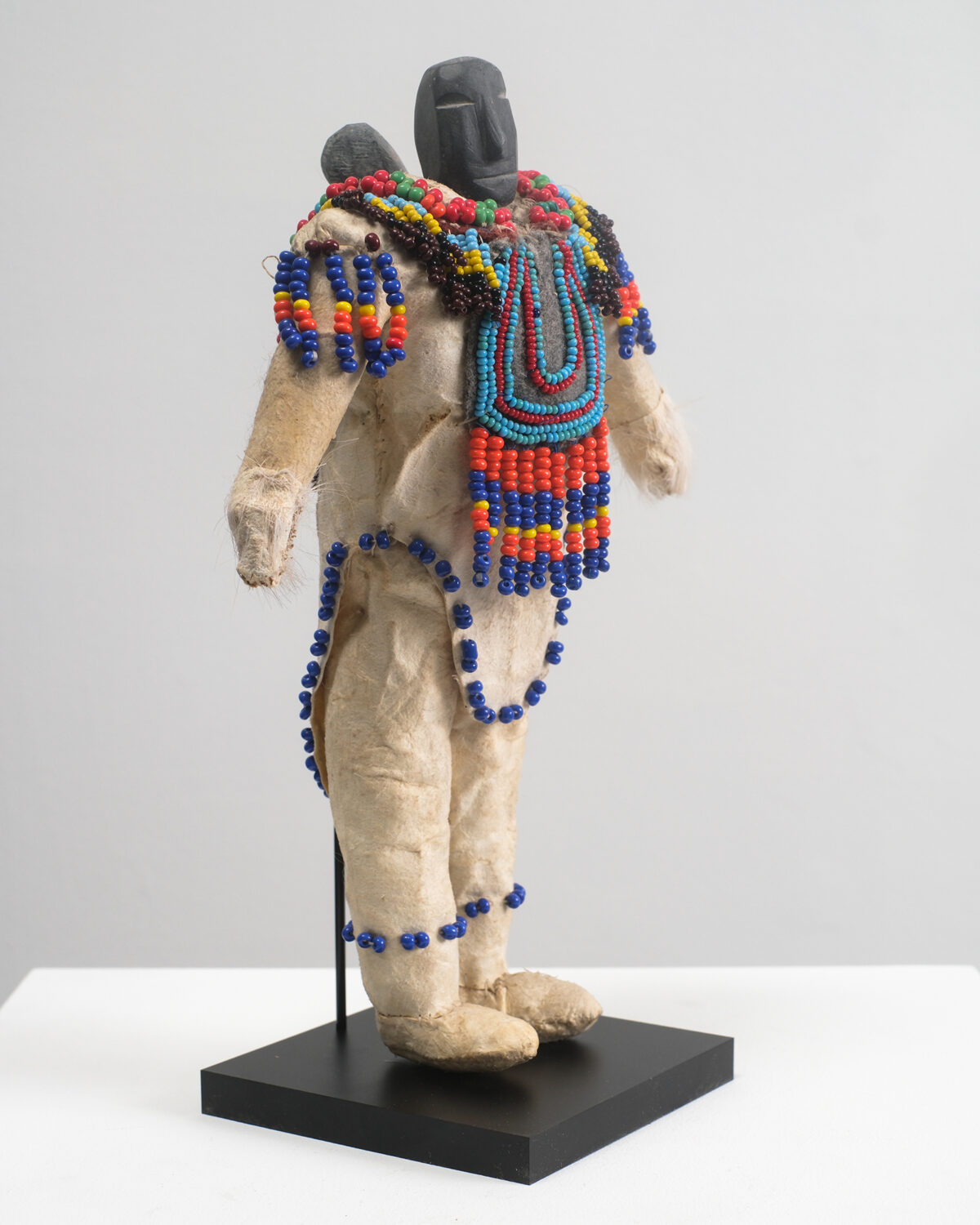
Family Tree: Significant Sculptural Works
August 1 – 29
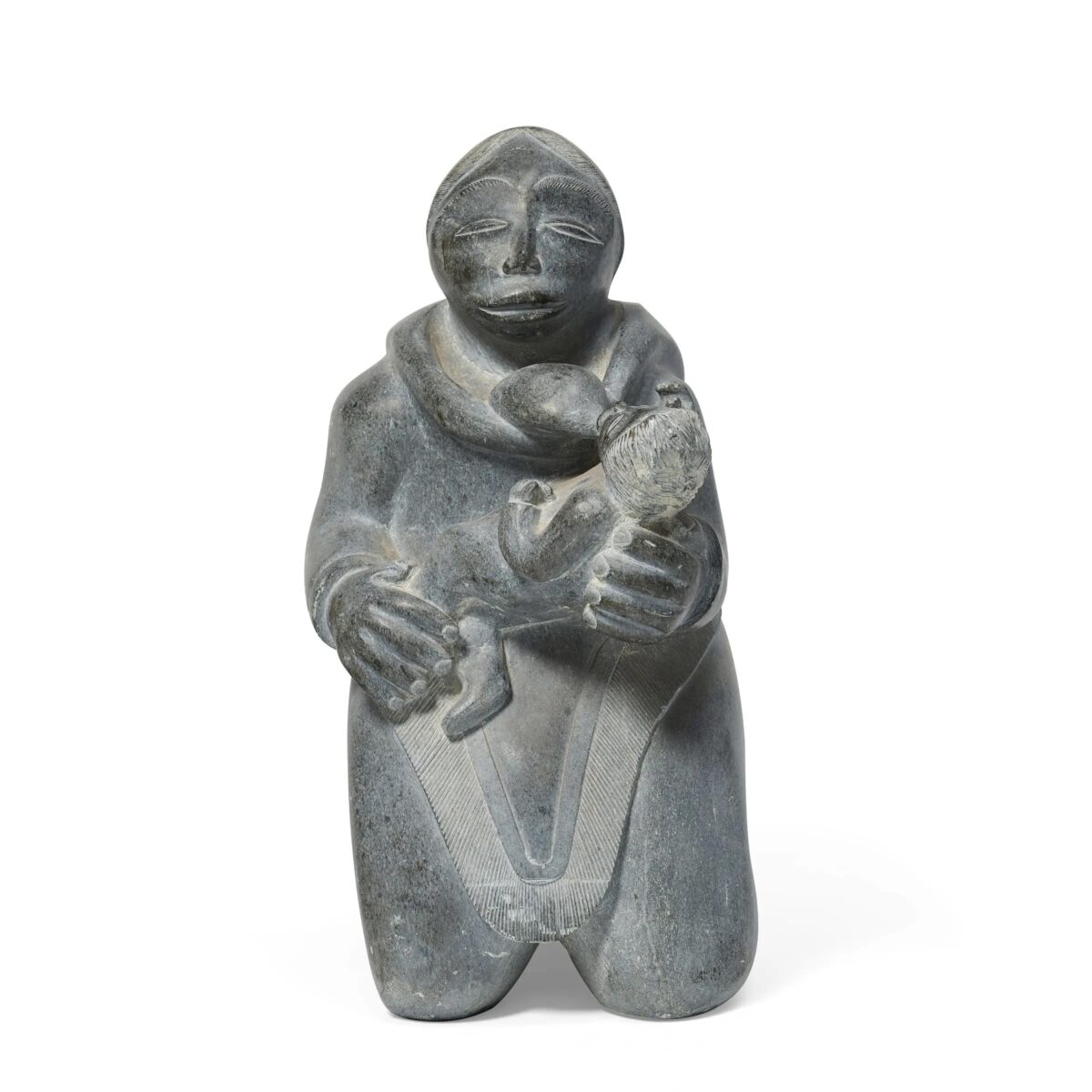
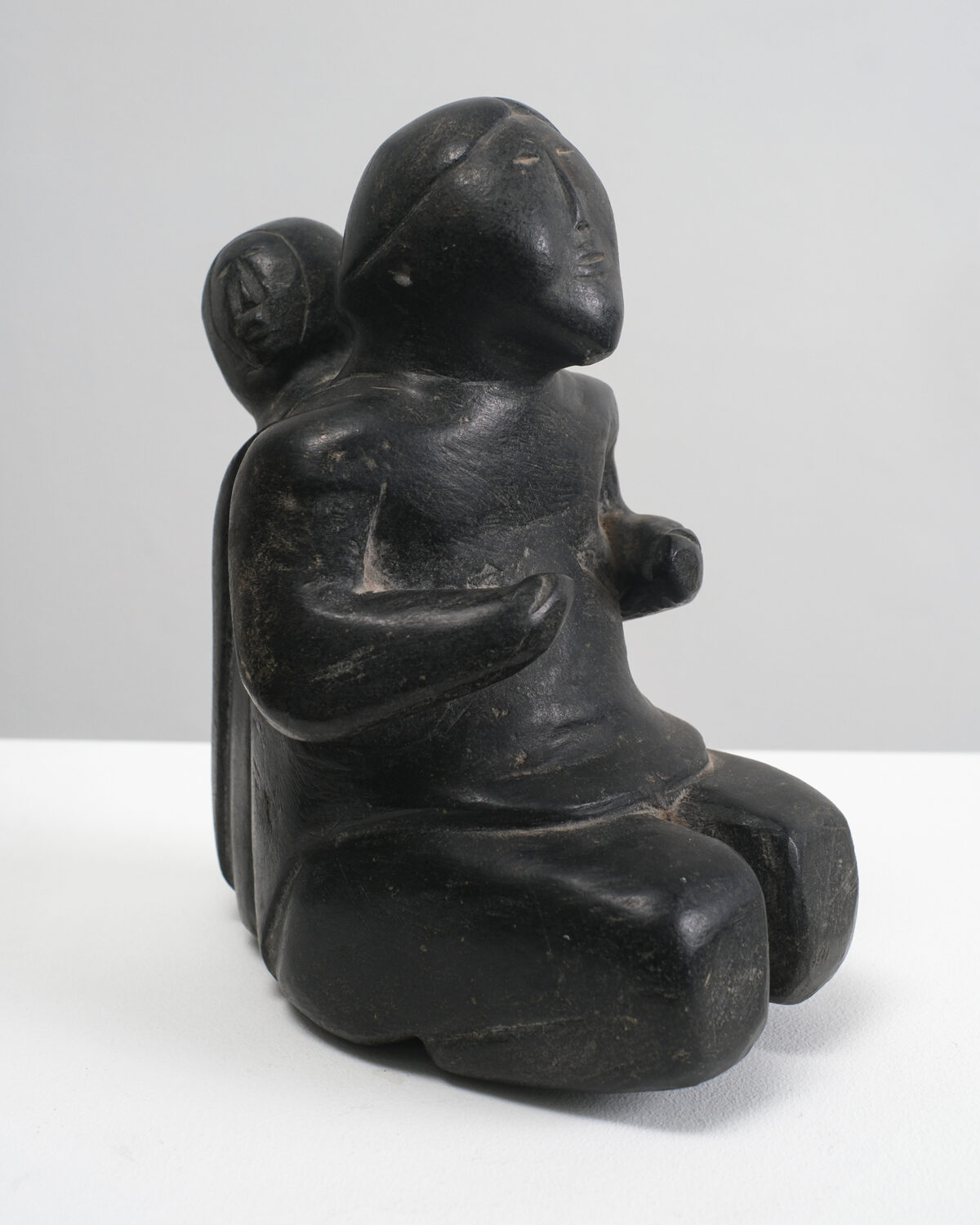
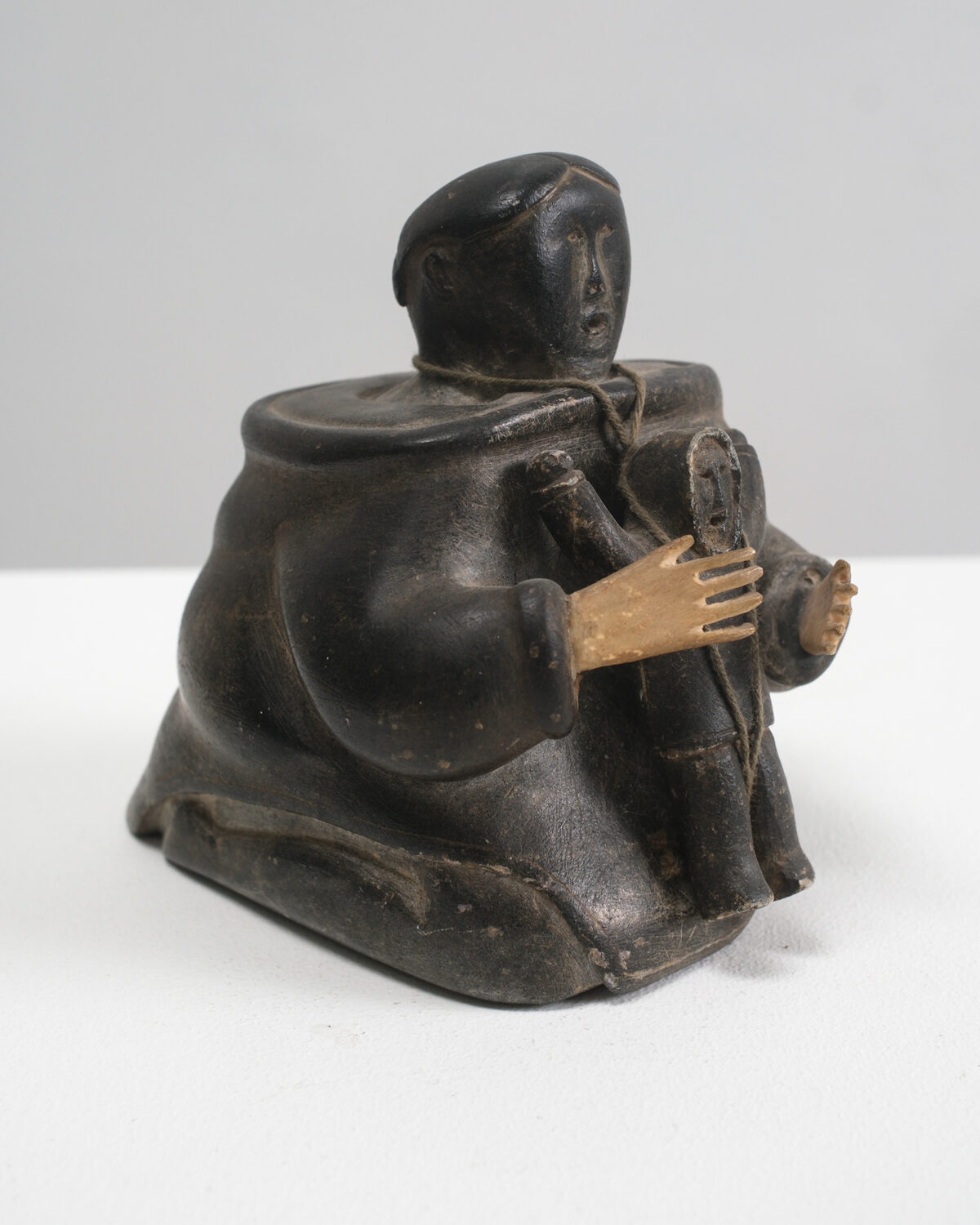
In 1988, Judy Kardosh formally took over as director of the Marion Scott Gallery. Judy had been working alongside Marion, her mother and the gallery’s founder, for the past five years; now it was Judy’s time to take the reins. Her first exhibition, which she dedicated to Marion, featured sculptures depicting the classic Inuit theme of the mother and child. The exhibition included examples by such prominent practitioners of Inuit art as Judas Ullulaq (who attended the show’s opening) and Elizabeth Nutaraaluk. Judy was careful not to exclude works by artists with less public profiles. Although she became committed to profiling the individual visions of specific Inuit artists who she deemed important, something of this egalitarian philosophy always stayed with her. As she wrote in the exhibition’s elegant catalogue, “I like to keep an open mind.”
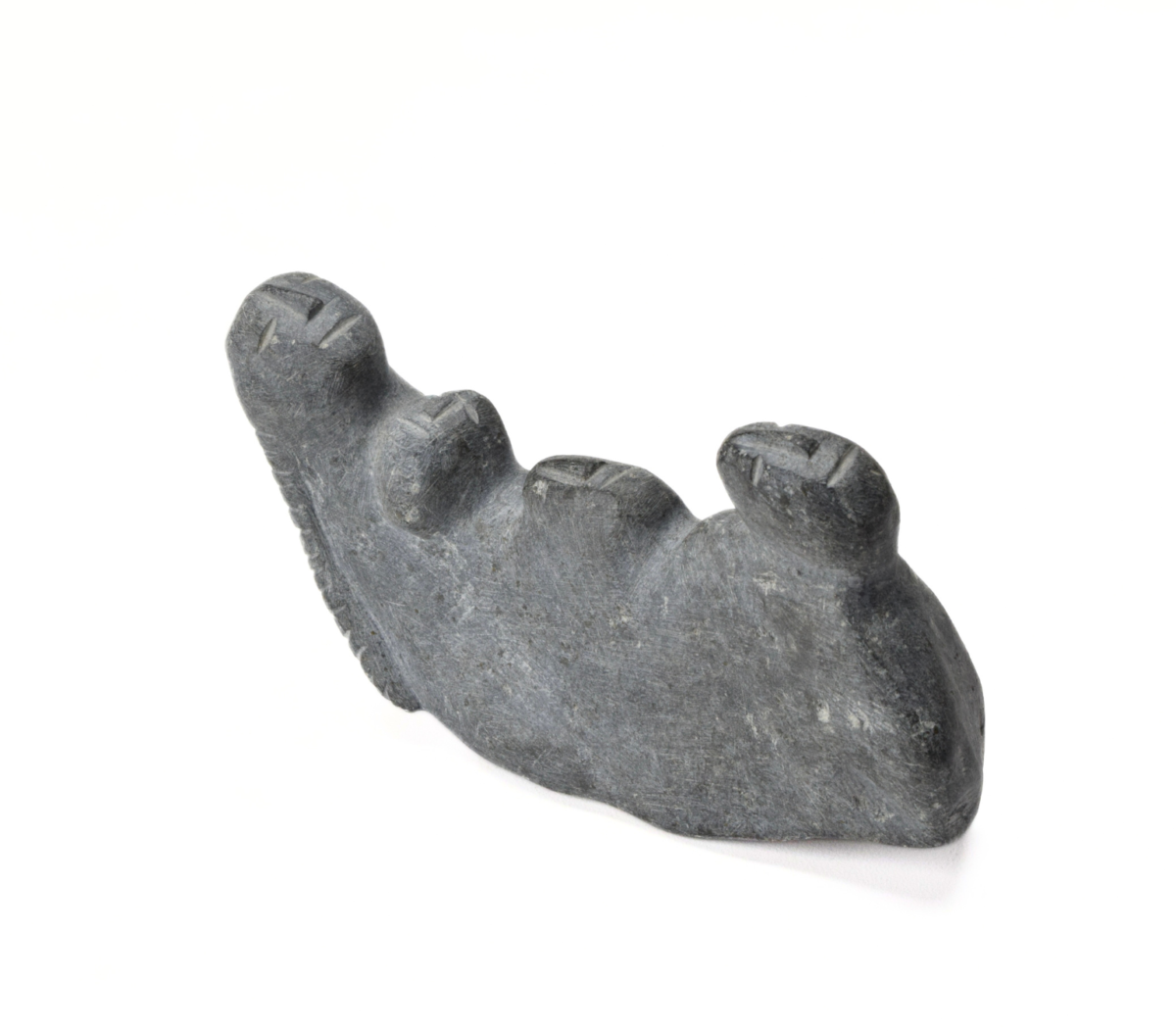
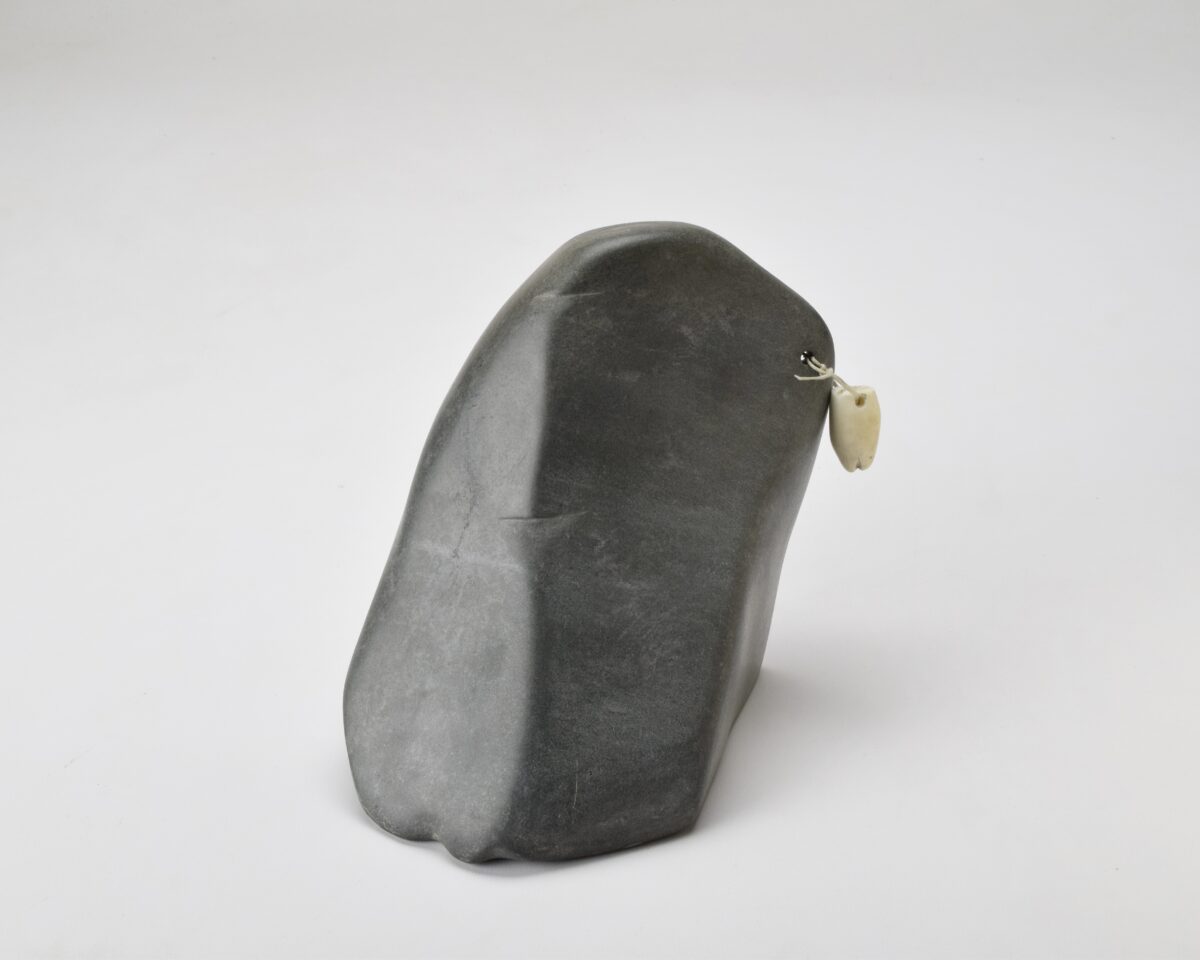
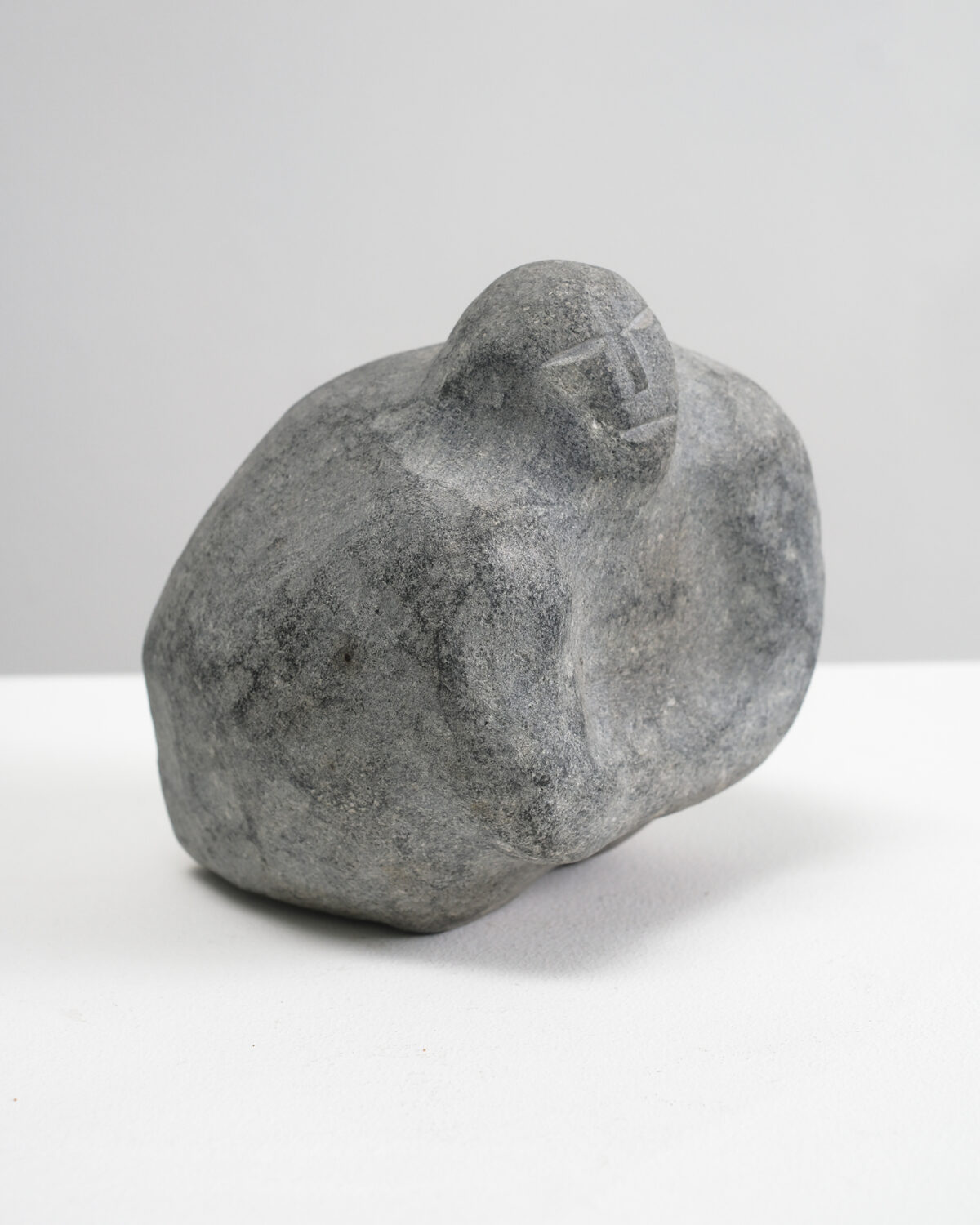
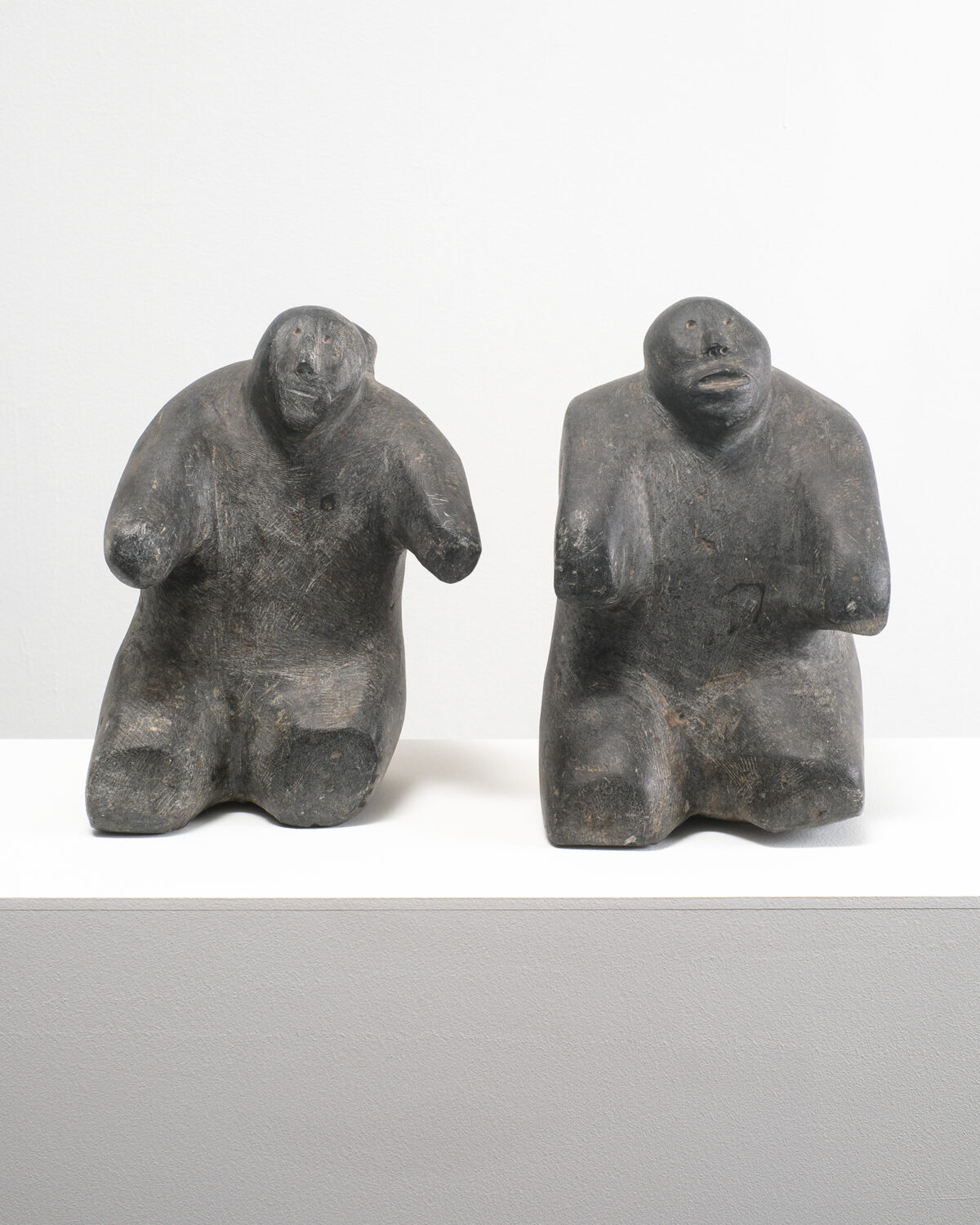
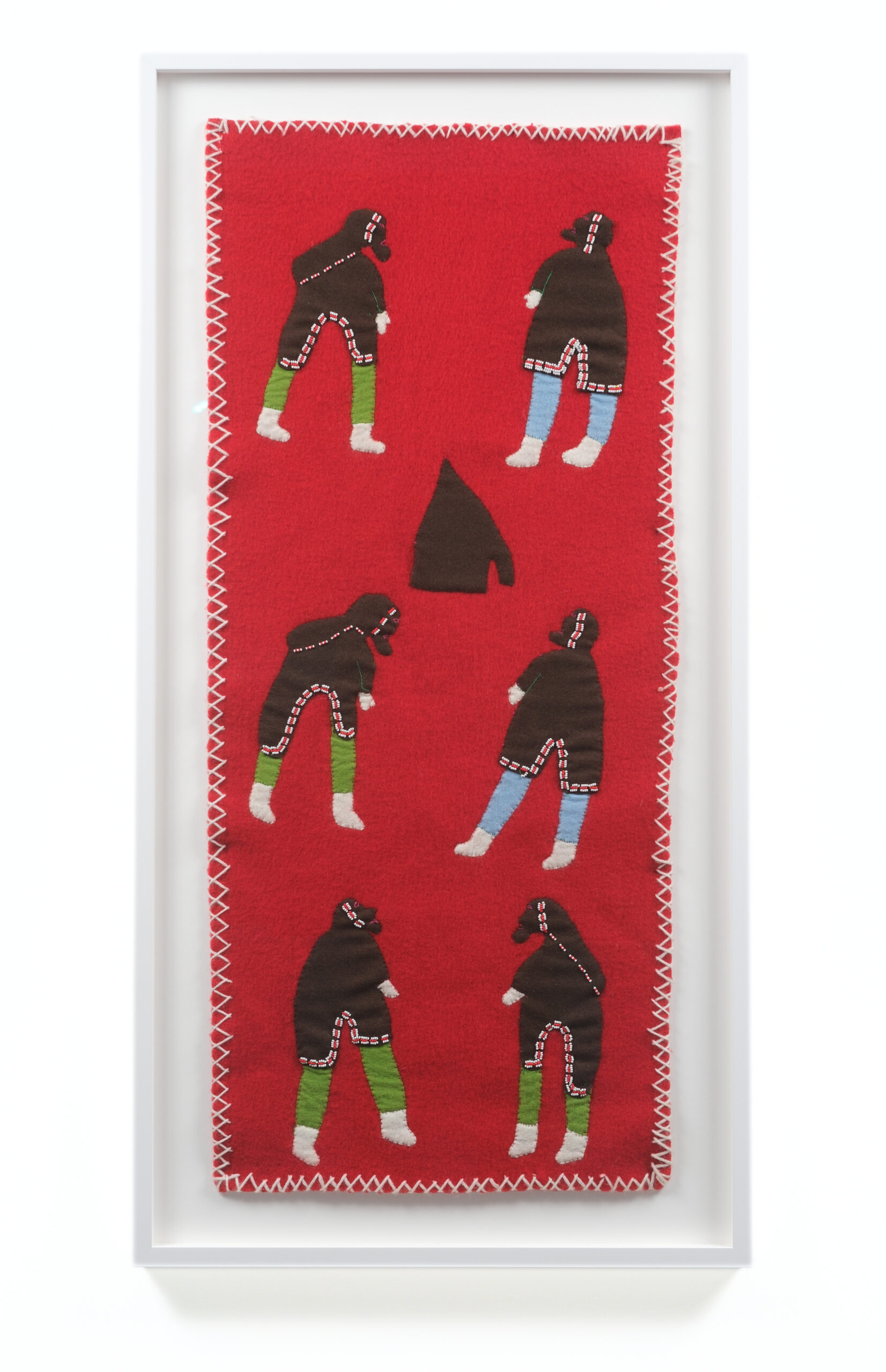
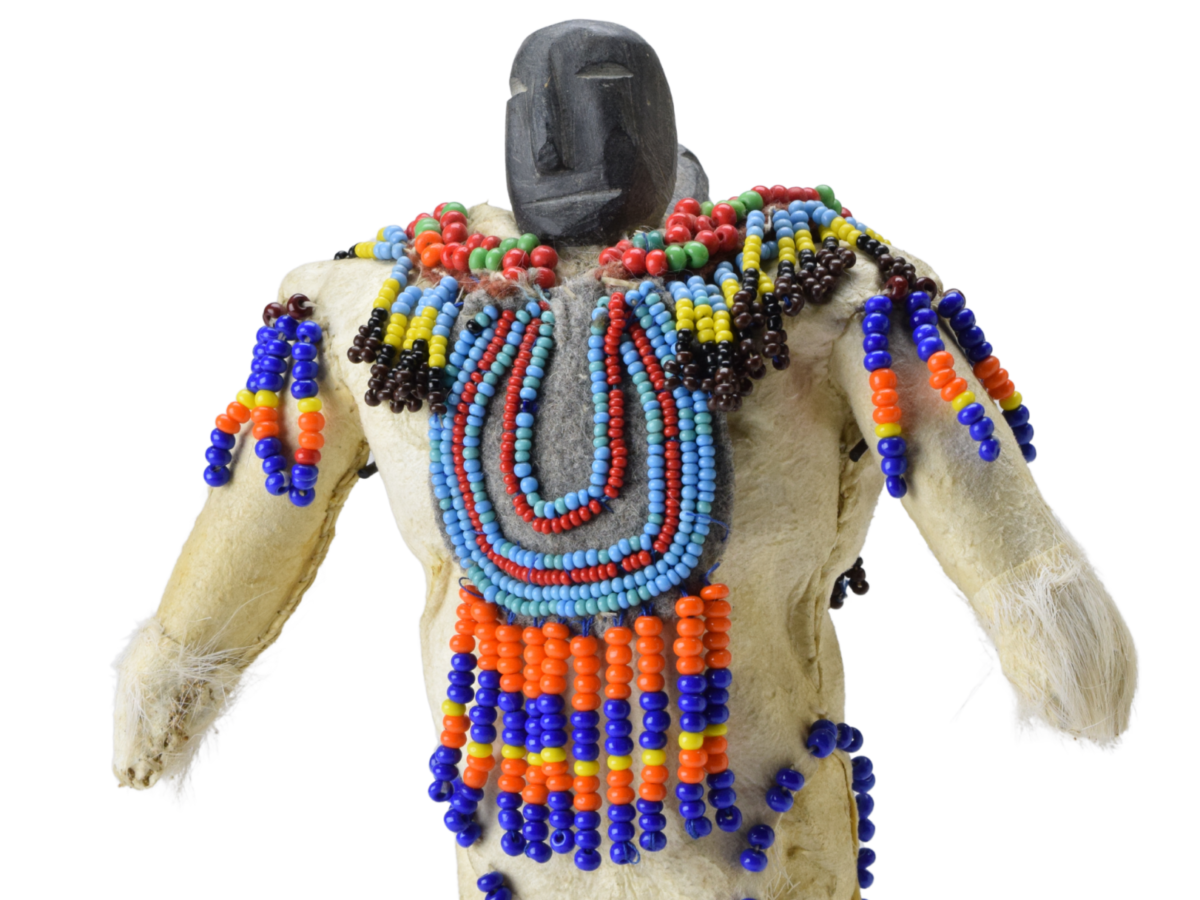
The following year, Judy presented her second exhibition as director. Simply titled Arviat, it featured an impressive selection of sculptures from this remote community situated on the western shore of Hudson Bay. The exhibition was daring for its time: Arviat sculpture was less refined and more elemental compared to the naturalistic Inuit work that the public was accustomed to seeing from other northern settlements. In its own way, Arviat was a tribute to, and celebration of, Marion’s vision, for it featured many of the artists Marion had herself admired and championed, including Luke Anowtalik, Marc Alikaswa and of course Elizabeth Nutaraaluk. The exhibition also featured a textile work by Joy Haullak. Inuit textiles would later become an area of special interest to Judy, and she would curate several important exhibitions showcasing artists who work in this medium.
The current presentation, part of the gallery’s multi-themed 50th anniversary programme, invokes these two seminal early exhibitions and pays tribute to Judy’s vision for the gallery and her belief in the importance of Inuit art. The 12 works featured here are either representations of the mother and child theme, or they are from Arviat. In a few cases, they are both. Although the pieces are different, many of the works are by the same artists who were featured in the original pair of exhibitions. All are exemplary images of their kind, reflecting Judy’s and Marion’s sense of what is important in Inuit art.
—Robert Kardosh