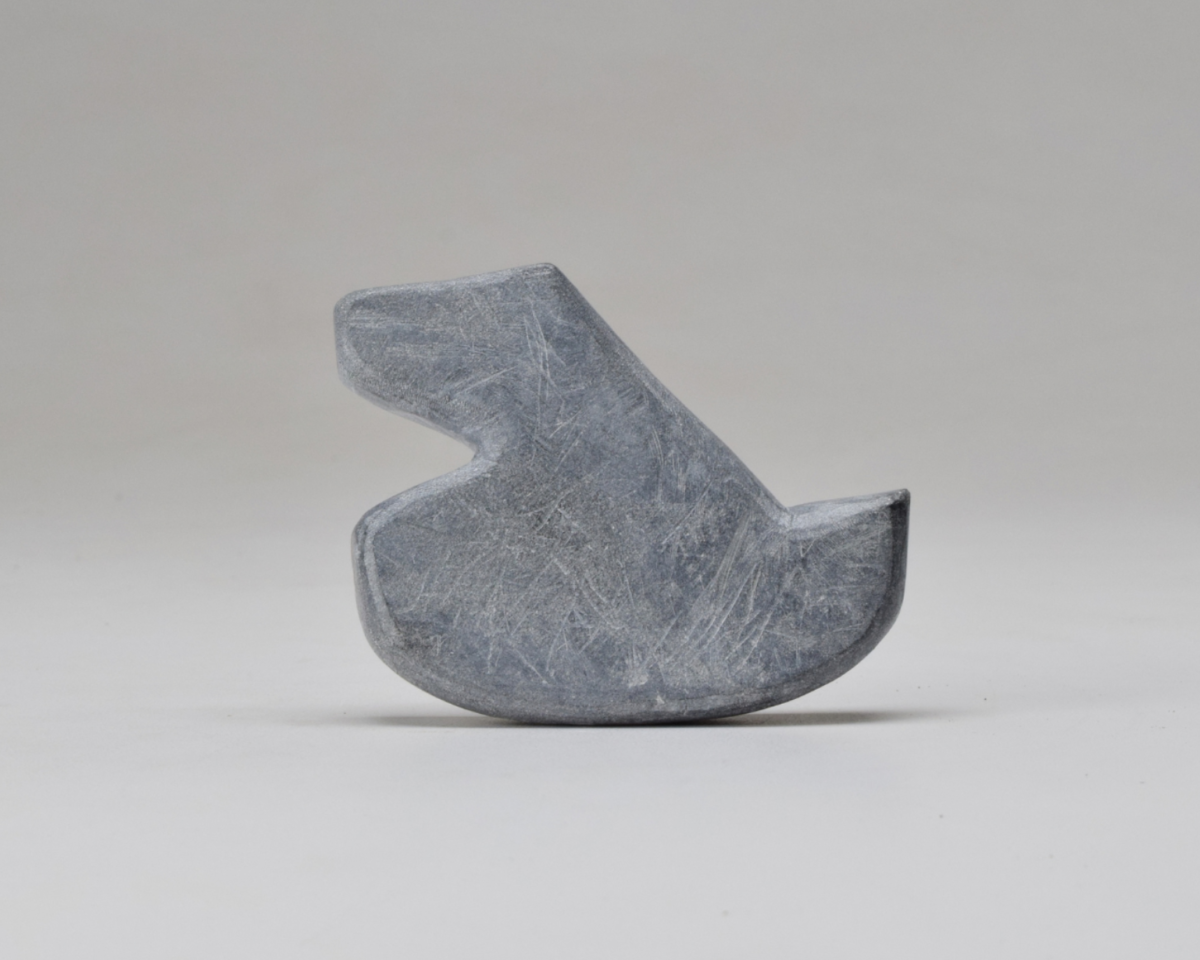
Silhouette
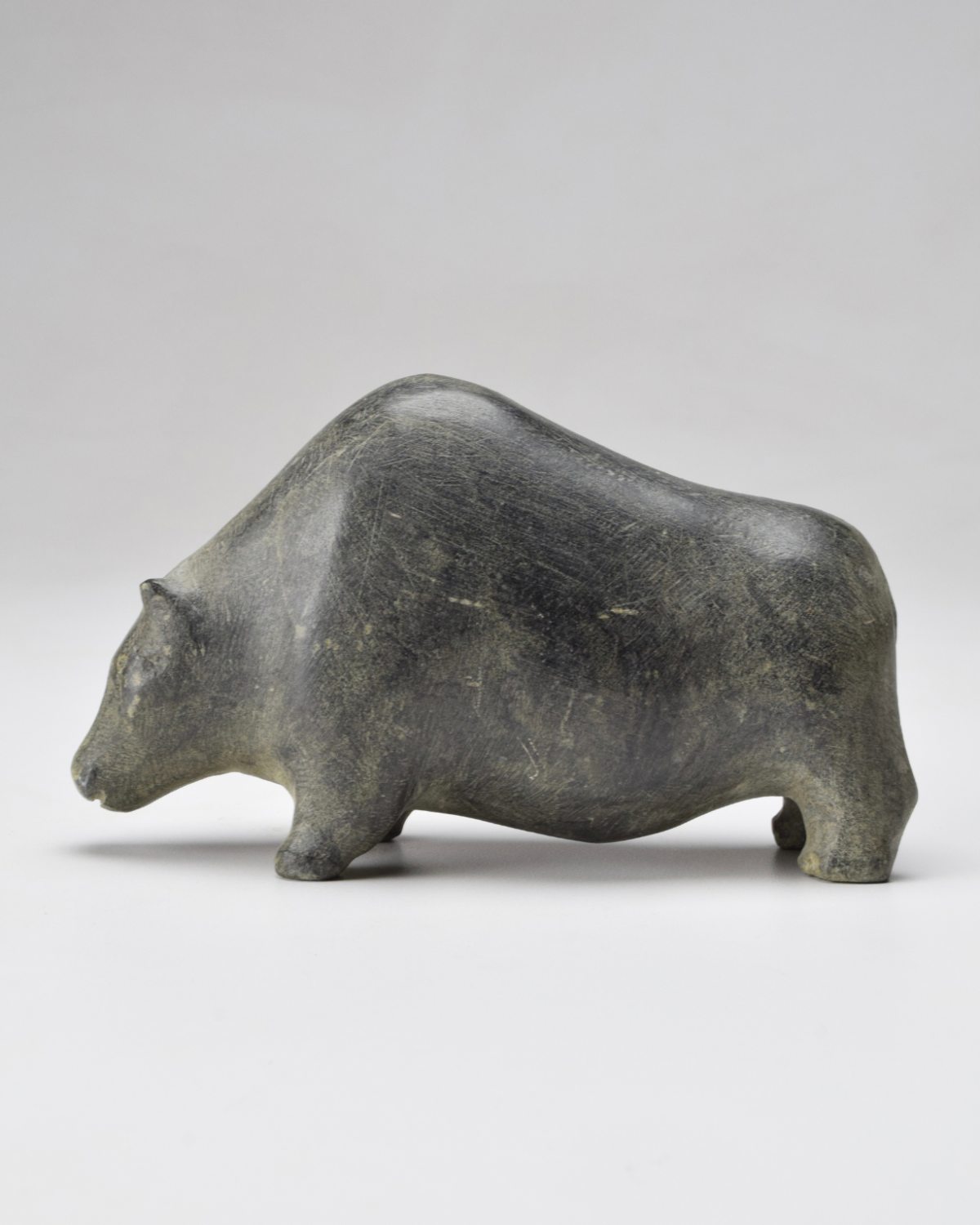
The relationship between line and volume is fundamental to how we encounter and experience sculptural expressions. Line and edge give life to the forms they contain and define.
Volume cannot exist without line. By contrast, line has an existence independent of volume. When volume is suppressed or rendered absent in graphic art, we call the resulting effect a silhouette. Sculpture is by definition an expression of volume in space. In other words, volume can never truly be absent. Some sculptures do, however, present a striking silhouette—a retinal shape that registers as an independent reality separate and distinct from a form’s physical volume in space.
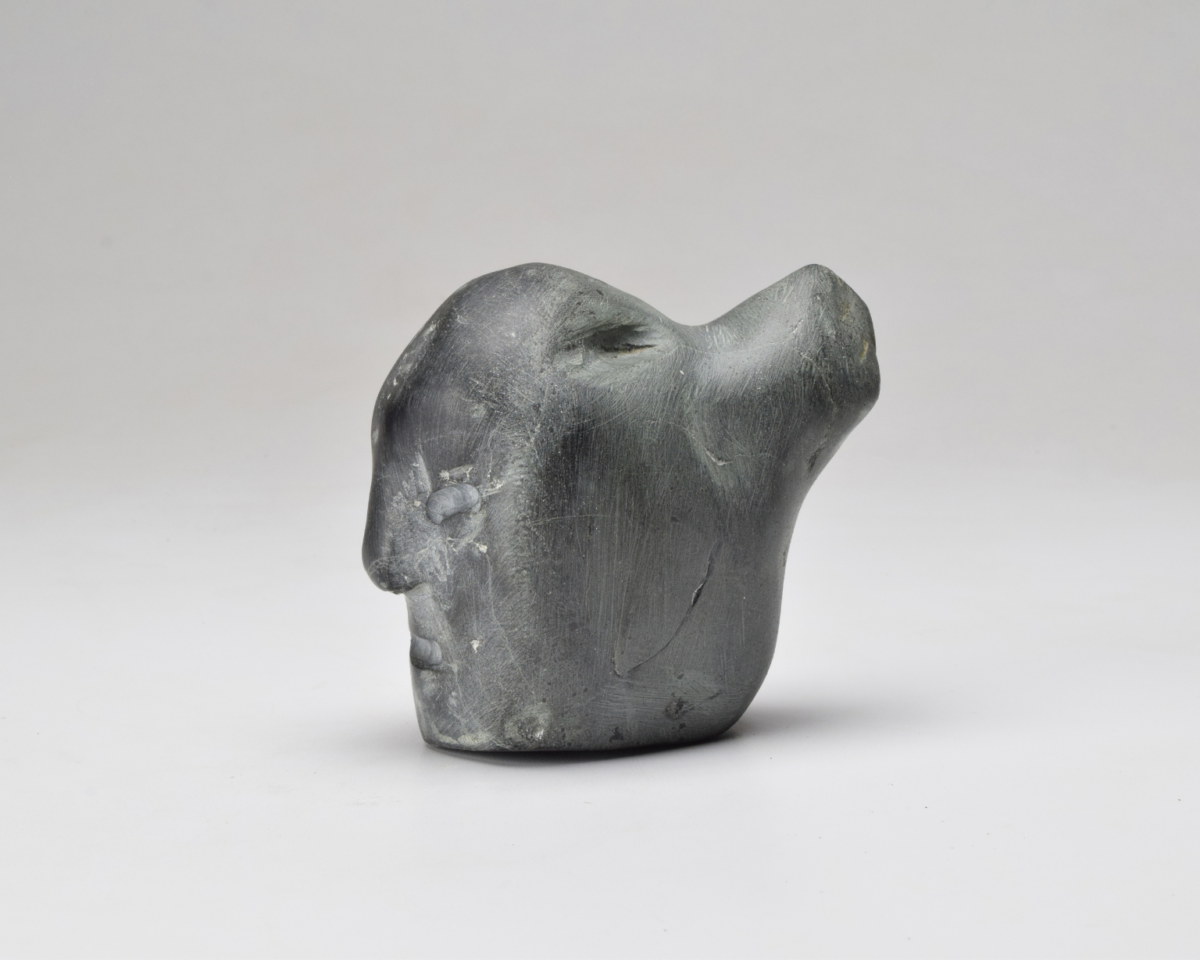
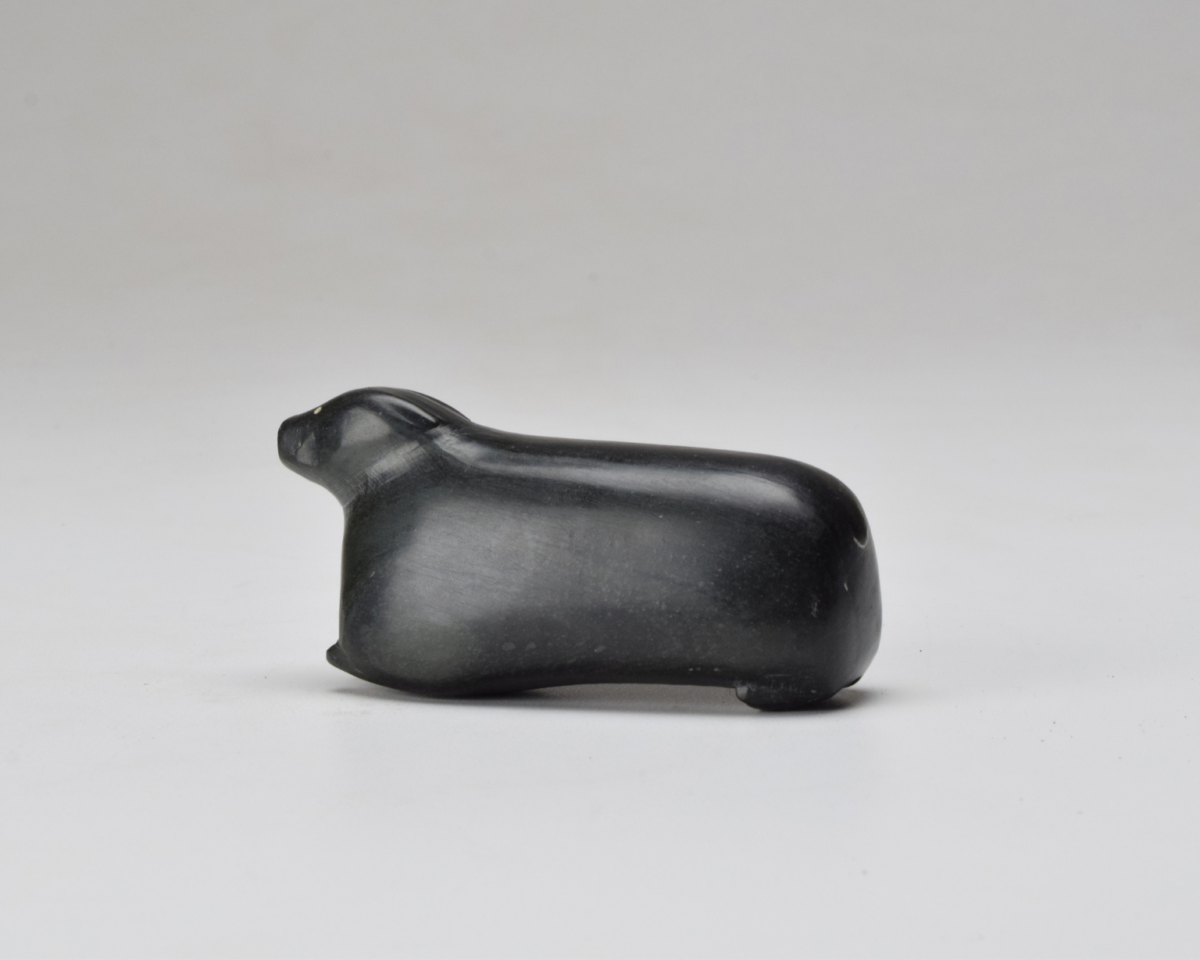
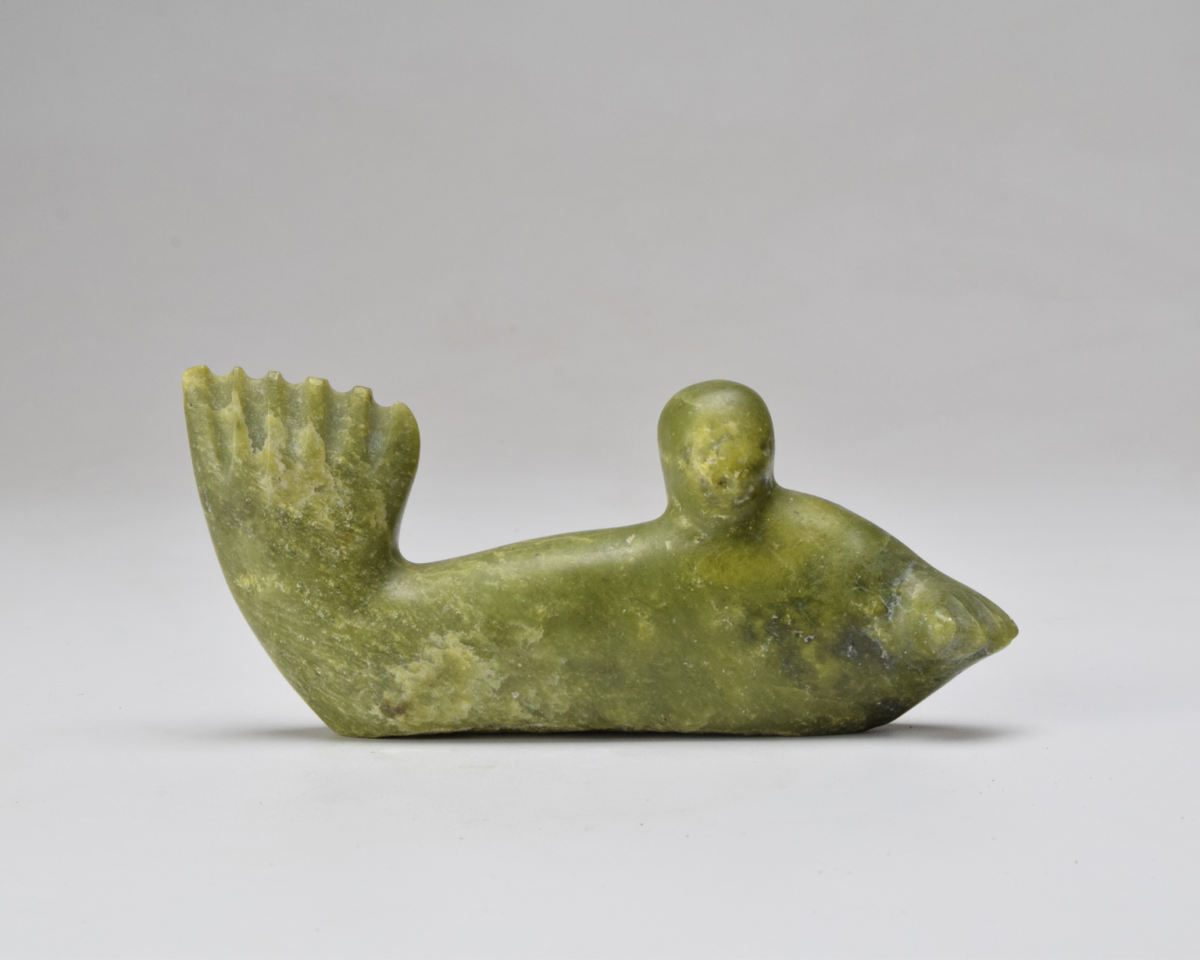
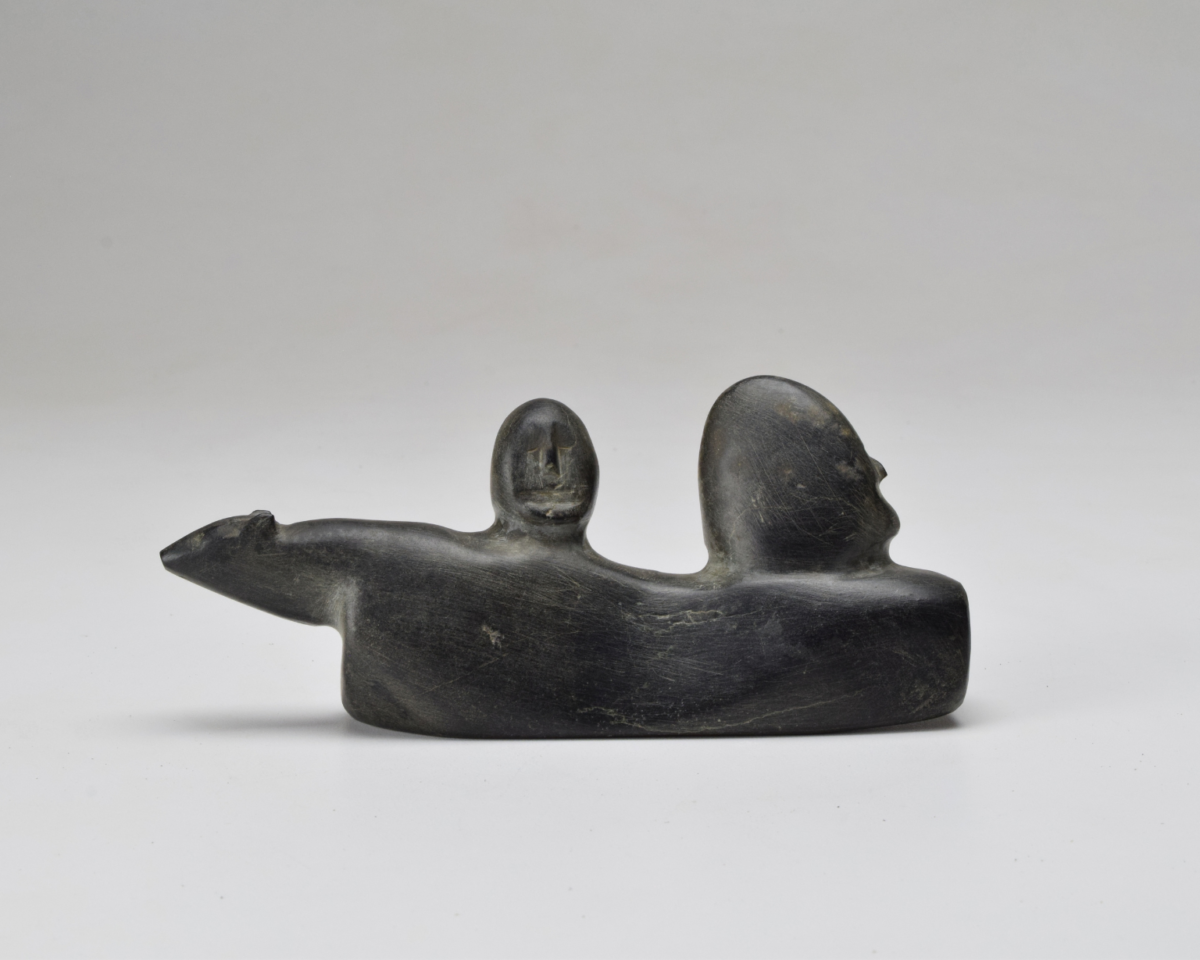
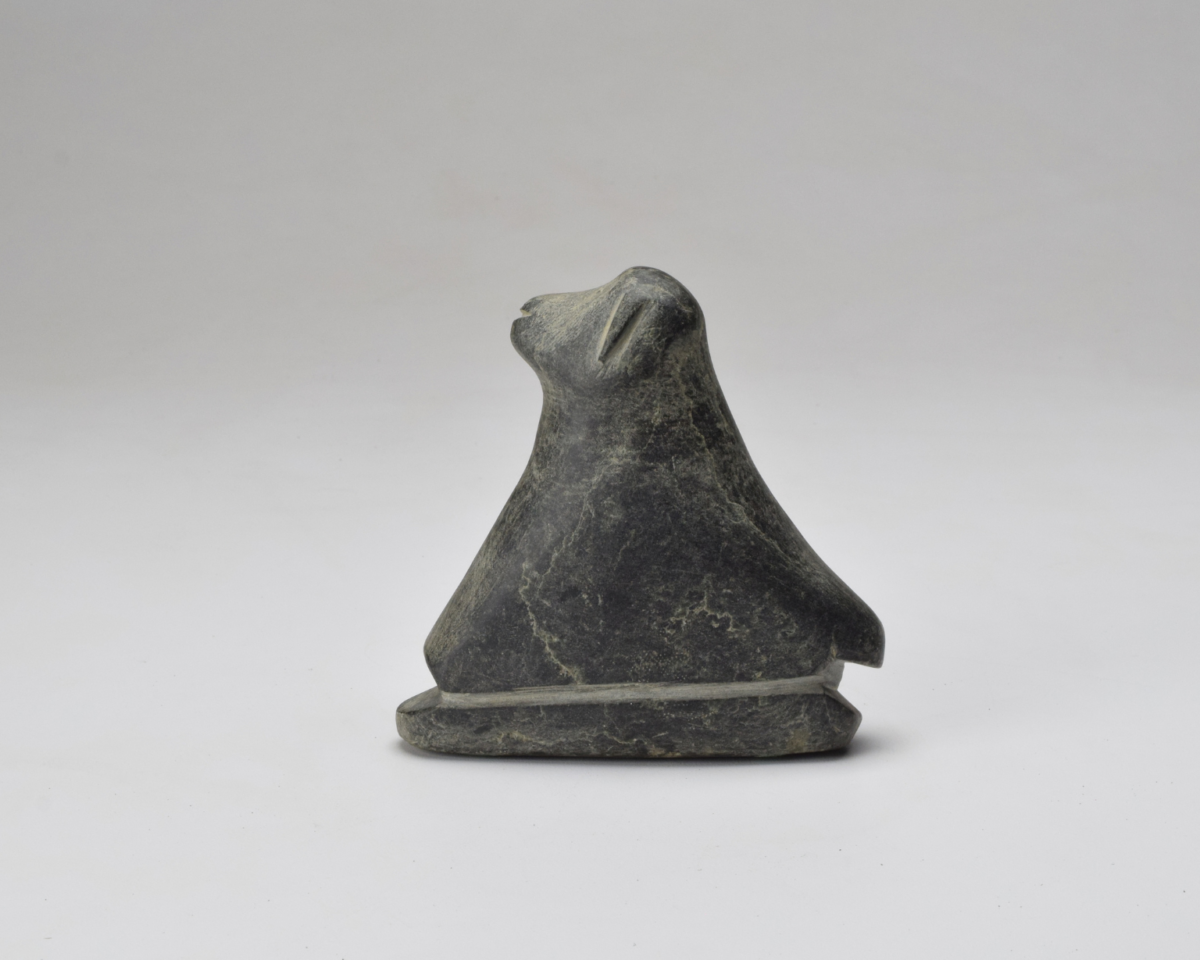
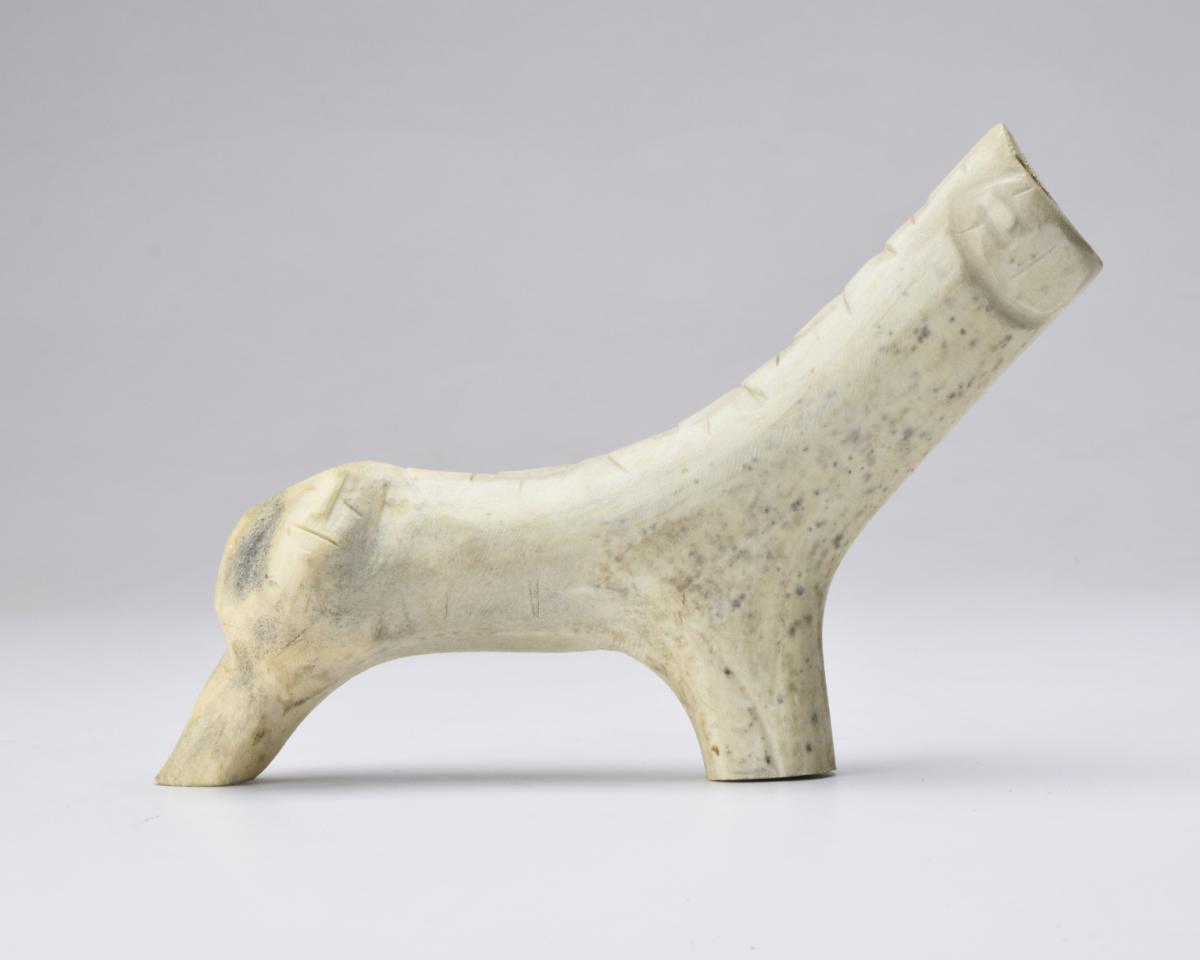
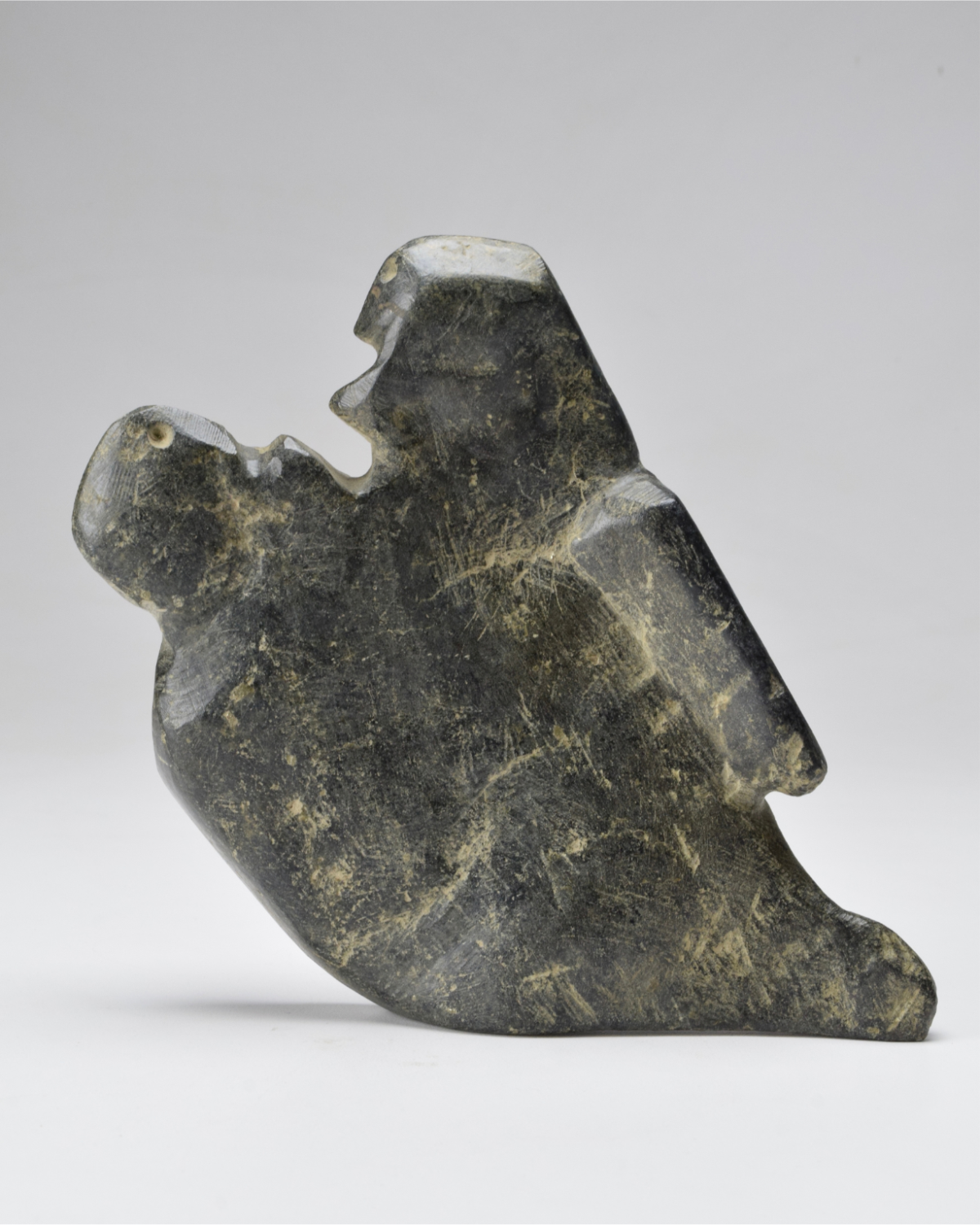
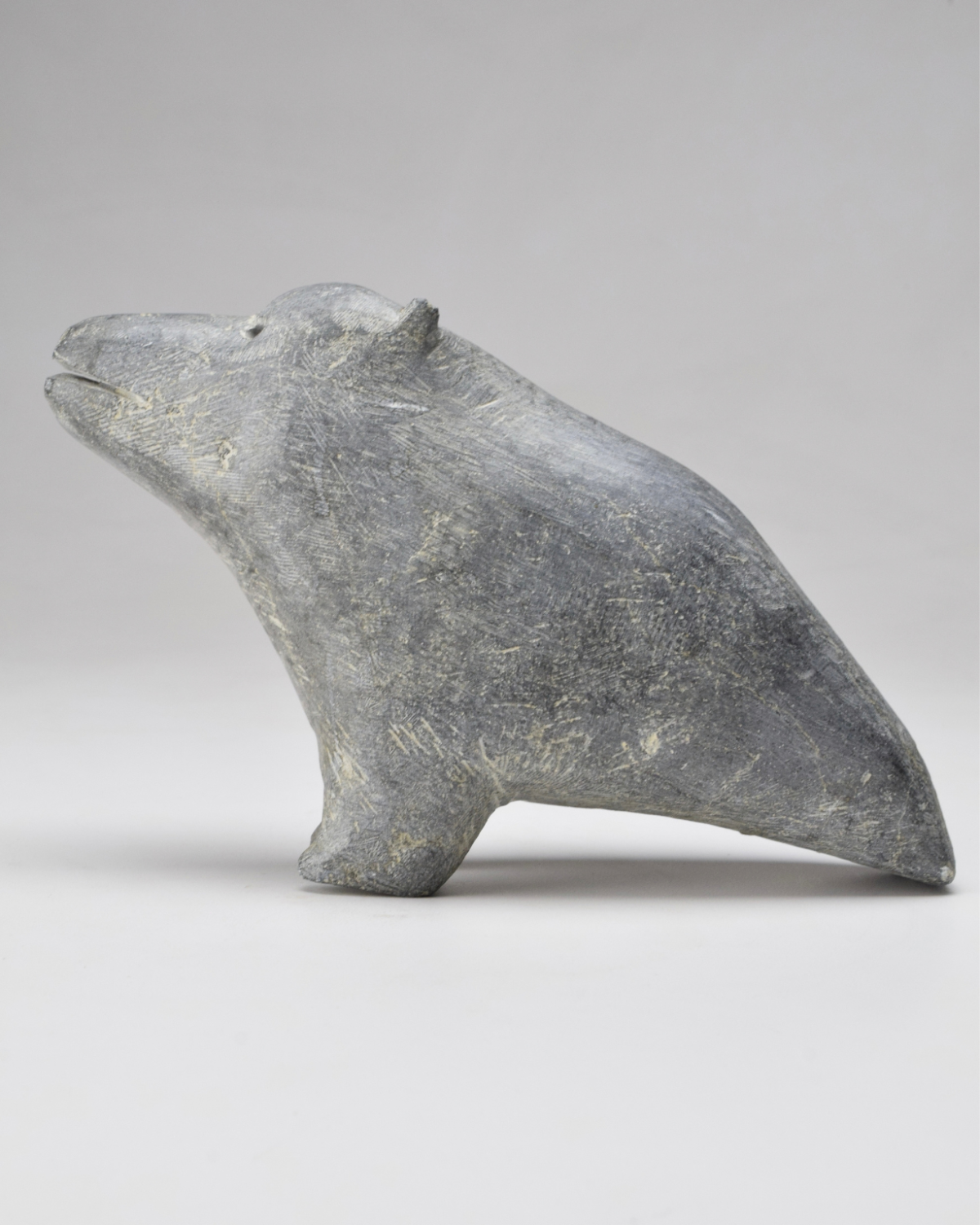
Many Inuit sculptors amplify this dimension of their craft, producing images with a strong graphic presence when viewed from specific—usually lateral—angles. While the surfaces of these works are never featureless—the hallmark of a true silhouette—the feeling for line is nevertheless emphasized in a way that allows viewers to appreciate this aspect of a work independent of its relationship to a material volume.
In this profile, we present a collection of Inuit sculptures in which the silhouette—the shape defined by a form’s outer edges—is given an especially strong emphasis. A few works verge on becoming flat, almost volume-less forms in space. Most, however, are simultaneously silhouettes and beautiful volumes.
The featured artists include Latcholassie Akesuk, Tuna Iquliq, Andy Miki, Elizabeth Nutaraaluk, Jimmy Taipana, George Tataniq, Lucy Tasseor and Michael Tutannuaq.